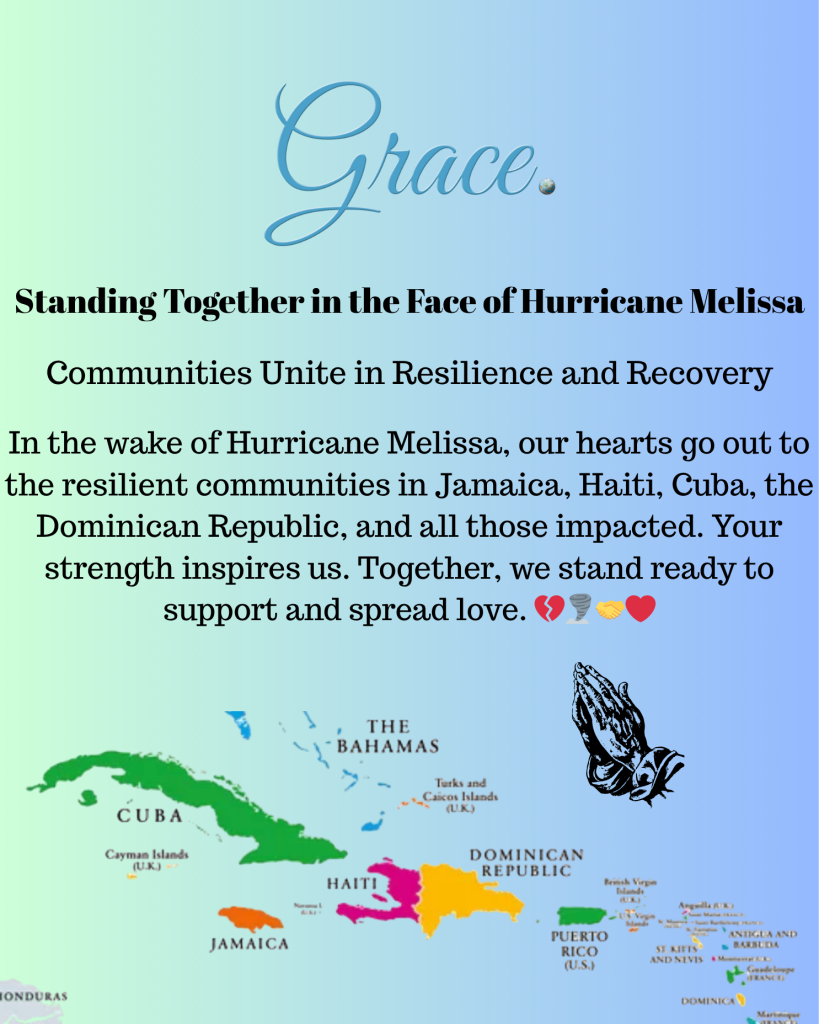
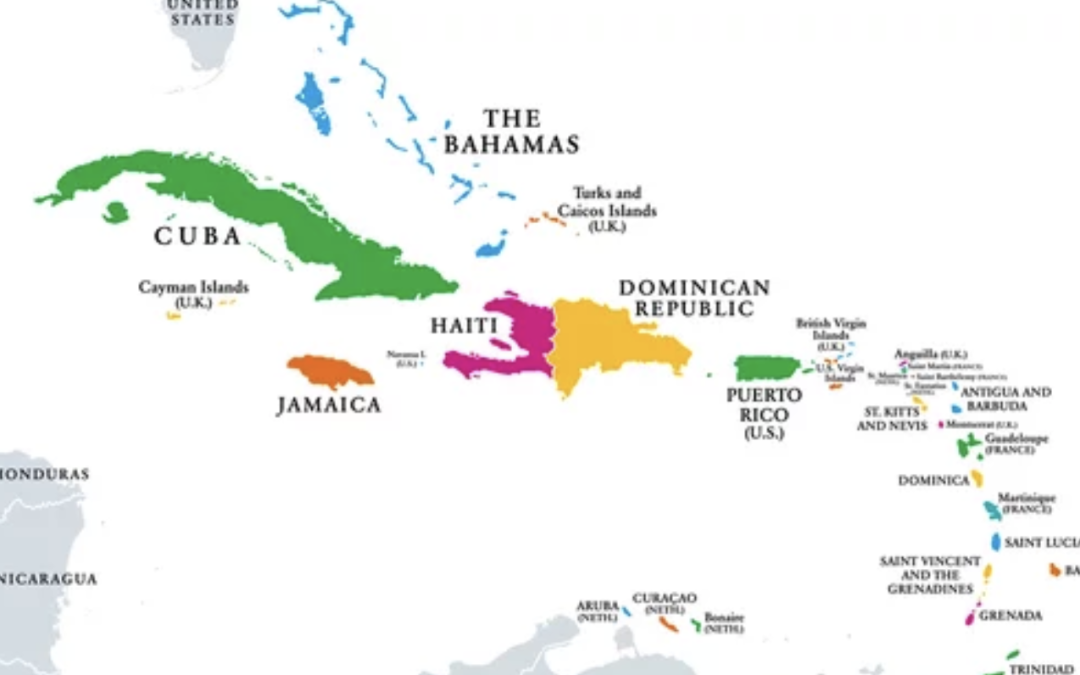
In late October 2025, Hurricane Melissa made landfall on the island of Jamaica with unprecedented force, before moving on to batter parts of Cuba, Haiti, and the Dominican Republic, leaving behind a path of destruction, uncertainty, and human suffering. For the Caribbean region—where so many communities live in vulnerable coastal or mountainous terrain—this is not simply another storm. It is a stark reminder of how nature, climate, and human resilience intersect, and how vital it is that we respond together.
What We Know So Far
Melissa reached Jamaica’s shores as a Category 5 hurricane, with sustained winds of about 185 mph (295 kph)—making it the strongest storm ever recorded to hit Jamaica. The devastation was swift and severe: entire communities faced flooding, landslides, massive power outages, and widespread damage to homes, roads, hospitals, and other essential infrastructure.
In Cuba, Melissa made landfall as a powerful storm, forcing the evacuation of hundreds of thousands of people, while in Haiti, relentless rain triggered fatal floods and left thousands displaced—with the broader humanitarian situation particularly precarious. According to UNICEF, at least 1.6 million children across Jamaica, Haiti, Cuba, and the Dominican Republic are at risk from the hurricane’s impacts—from flooding and landslides to disruptions in basic services and access to shelter.
Why This Matters
For a region like the Caribbean, hurricanes are not new—but the scale, intensity, and consequences of Melissa bring fresh urgency. Small islands and coastal communities are especially vulnerable to storm surge, flooding, and infrastructure collapse. With many areas still rebuilding after past storms, Melissa arrives at a particularly vulnerable moment.
In Jamaica alone, more than 500,000 citizens were reported without power, hospitals sustained damage, and tens of thousands were forced into shelters. Because essential services were disrupted—water, sanitation, electricity, transportation—the humanitarian risks multiply: after the storm’s winds and water do their damage, the longer-term threats of disease, hunger, displacement, and economic loss begin to mount. Infrastructure recovery is not simply a matter of days. As past major hurricanes in the region have shown, full rehabilitation of homes, farms, roads, and livelihoods often spans months to years.
Our Connection to Jamaica
Grace Period has been fortunate to work alongside communities in Jamaica on several mission trips, witnessing firsthand the strength, warmth, and resilience of the people there. Those experiences make Hurricane Melissa’s impact especially personal for us, and they strengthen our commitment to supporting recovery and raising awareness. Having seen these communities up close, we understand the deep challenges they face in the wake of a storm like this—and the hope, courage, and unity that fuels their recovery.
How This Affects the Communities
Beyond the statistics, the ripple effects are profound. Families who have lost homes, or whose farms and fisheries have been destroyed, face not only immediate danger but long-term economic and social hardship. Schools and health centers may be unusable, children may miss months of education, and communities may be cut off from aid for longer than we hope.
In Jamaica’s St. Elizabeth parish, a major farming area, the destruction of crops and farmland threatens not just income but food security. In Haiti, where many households are already in fragile conditions, flooding and displacement multiply existing vulnerabilities. The future for many families is uncertain, and the need for coordinated relief and long-term rebuilding has never been clearer.
How Grace Period Stands With the Caribbean
At Grace Period, our mission is rooted in compassion, solidarity, and community empowerment. We stand with every family and community affected by Hurricane Melissa. Our history of mission work in Jamaica gives us a unique perspective on the challenges these communities face—and a personal commitment to amplify their voices and support recovery efforts.
We encourage our readers to take action: whether by donating to reputable relief organizations, sharing credible information, or supporting initiatives that aid local communities. While we are not leading a formal relief campaign, we are ready to partner with other nonprofits, community groups, and on-the-ground relief efforts—by sharing resources, coordinating communications, or providing other support where needed.
How You Can Help
You might ask: “What can I do?” The answer: more than you might think. Here are several meaningful ways to act:
-
Donate to trusted relief organizations active in the region. Whether they’re already on the ground or rapidly mobilizing, funds and supplies matter.
-
Share credible information about what’s needed, who is helping, and how people can get involved. Awareness fuels support.
-
Support partnerships. If you have a connection to organizations working in the Caribbean, consider offering your time, resources, or professional expertise to help expand their reach.
-
Keep the long term in mind. Rebuilding homes, livelihoods, and infrastructure will take months—or even years. Sustained support is vital.
Why Every Contribution Counts
An event like Hurricane Melissa reminds us that no action is too small. Whether it’s a monetary gift, a social media share, a professional support offer, or a message of solidarity—these actions ripple outward. They show the people of each impacted community that they are seen, supported, and not alone.
Looking Ahead with Hope
As the full toll of Melissa’s damage and the timeline for recovery become clearer, what is certain is this: the Caribbean region will rebuild. Communities have done it before, and they will do it again—but only with support, attention, and solidarity from around the world.
Grace Period invites you to join this journey of solidarity—to stand together, act together, and rebuild hope together. If your organization is already working in the region or exploring how to support, please reach out. We are open to collaboration, ready to share, ready to amplify.
Closing Thought
When the winds have passed and the water recedes, what remains is the human spirit: families gathering to rebuild, neighbors helping neighbors, islands uniting. That spirit deserves our recognition, encouragement, and action.
Let us keep Jamaica, Haiti, Cuba, the Dominican Republic, and all those touched by Hurricane Melissa in our hearts and hands. Let us commit to doing what we can—today, tomorrow, and for the long road of recovery ahead.